

Overview
Nike footwear designers traditionally depended on complex handoffs to 3D specialists and overseas factories to see their sketches brought to life. As part of the Nike Innovation team, we designed a desktop tool tailored to their existing 2D vector workflow, enabling instant 3D visualization and automated tech-pack export for faster, friction-free prototype builds.
Product Objective
The Nike Innovation Computational Design team partnered with my group to build a desktop tool that lets 2D footwear designers intuitively visualize concepts in 3D and export factory-ready tech packs.
Problem Spaces
Streamlining the 2D-to-3D Pipeline: Replacing friction-heavy hand-offs between designers, computational teams, and factories with a single surface.
Allowing 2D artists to visualize concepts in 3D in real time.
Overcoming the 3D Learning Curve: Nike designers rely heavily on 2D mediums, often avoiding traditional 3D tools due to high complexity. Our primary design goal was removing software intimidation to lower the barrier to entry.
Shifting Team Process Through Co-Design: Departing from our team’s habit of late-stage testing, I brought footwear designers into kickoff strategy sessions, ensuring user needs drove product decisions from the ground up.
Allowing 2D artists to visualize concepts in 3D in real time.
Overcoming the 3D Learning Curve: Nike designers rely heavily on 2D mediums, often avoiding traditional 3D tools due to high complexity. Our primary design goal was removing software intimidation to lower the barrier to entry.
Shifting Team Process Through Co-Design: Departing from our team’s habit of late-stage testing, I brought footwear designers into kickoff strategy sessions, ensuring user needs drove product decisions from the ground up.
Key Considerations
Frictionless Technical Hand-Offs: To replace disjointed handoffs, the tool needed to automatically translate 2D inputs and 3D visual concepts into standardized tech pack specs. Capturing accurate material callouts, dimensions, and component details directly within the interface ensured seamless handoffs to development and factory teams.
Empowering End-to-End Ownership: Footwear design at Nike typically involves heavy back-and-forth between 2D designers, 3D specialists, and factories. We eliminated these bottlenecks by enabling non-3D designers to work intuitively in 2D, while real-time 3D visualizations helps bridge the gap to production.
User-Led Simplicity: Partnered directly with footwear designers from project kickoff to shape the scope, ensuring the tool simplified 3D complexity rather than adding intimidation.
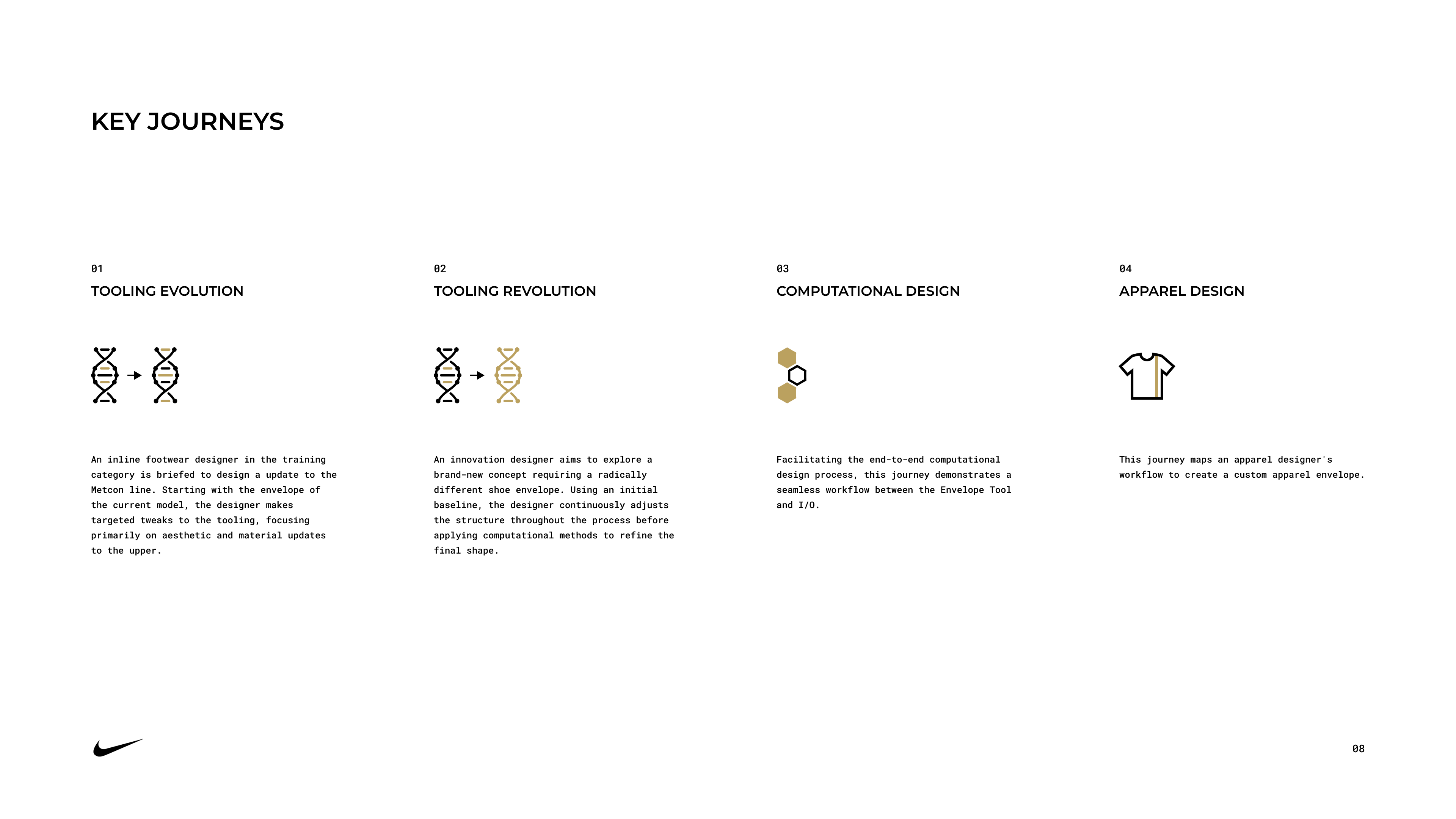
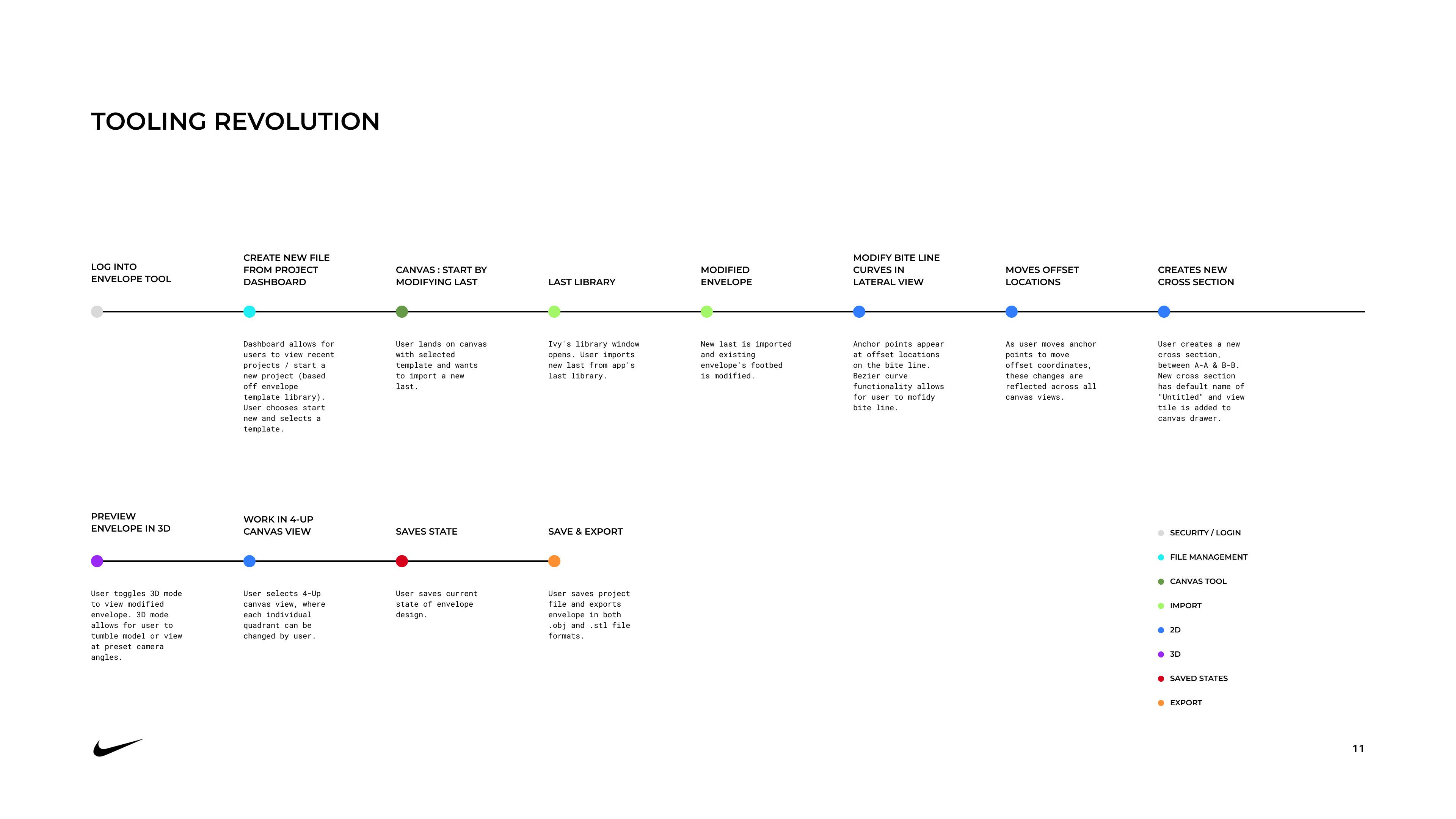
Below is an excerpt from our UX Strategy:
Empowering End-to-End Ownership: Footwear design at Nike typically involves heavy back-and-forth between 2D designers, 3D specialists, and factories. We eliminated these bottlenecks by enabling non-3D designers to work intuitively in 2D, while real-time 3D visualizations helps bridge the gap to production.
User-Led Simplicity: Partnered directly with footwear designers from project kickoff to shape the scope, ensuring the tool simplified 3D complexity rather than adding intimidation.
Below is an excerpt from our UX Strategy:
Branding and Key Concept
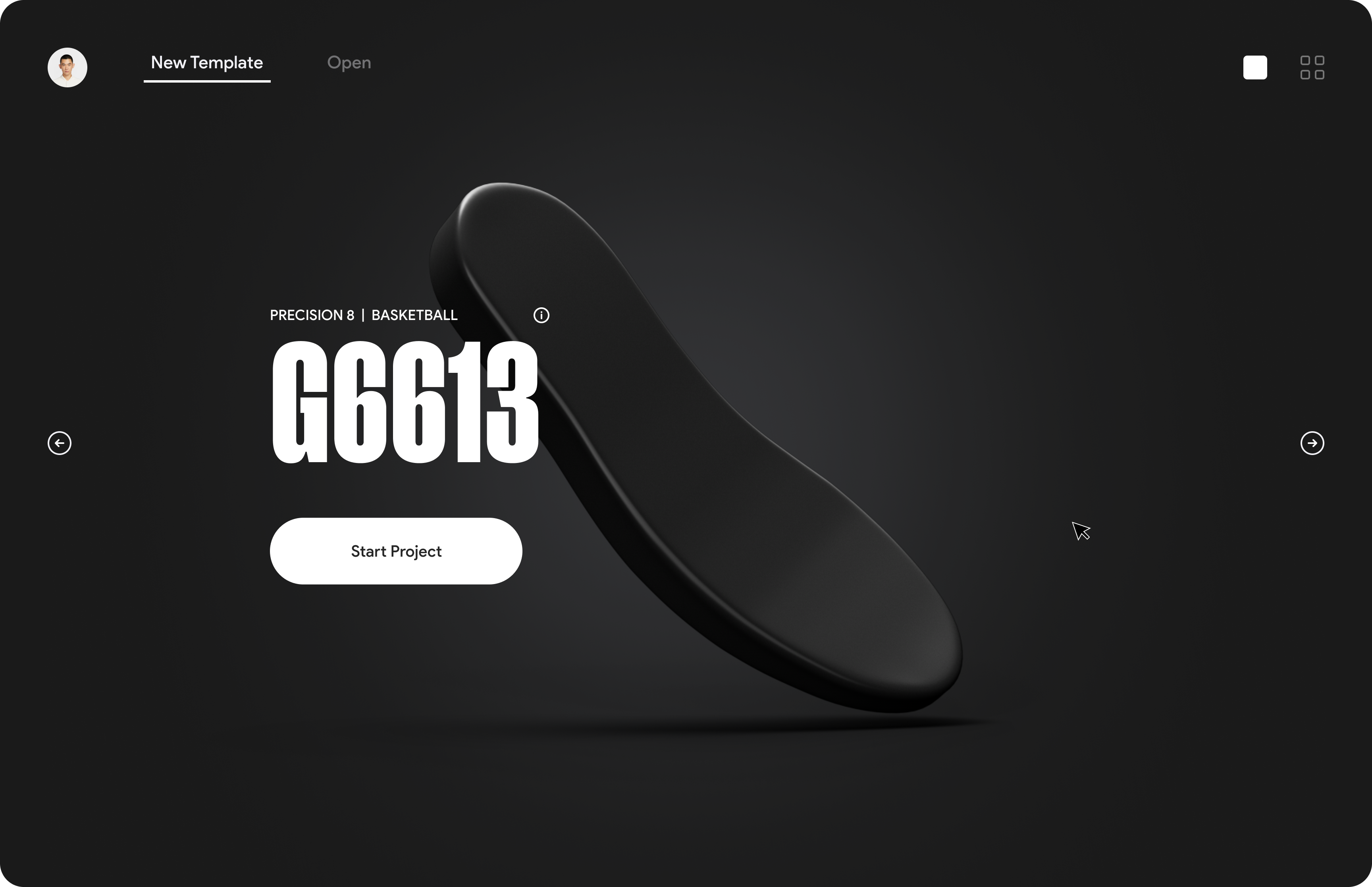
During early user research with footwear designers, the concept of raw creation kept surfacing—shaping something fluid into a final form. This inspired the name Todo (陶土), the Japanese word for potter’s clay. The branding reflected this philosophy: a digital medium as flexible and tactile as clay, allowing designers to mold 2D ideas into 3D forms without technical friction.
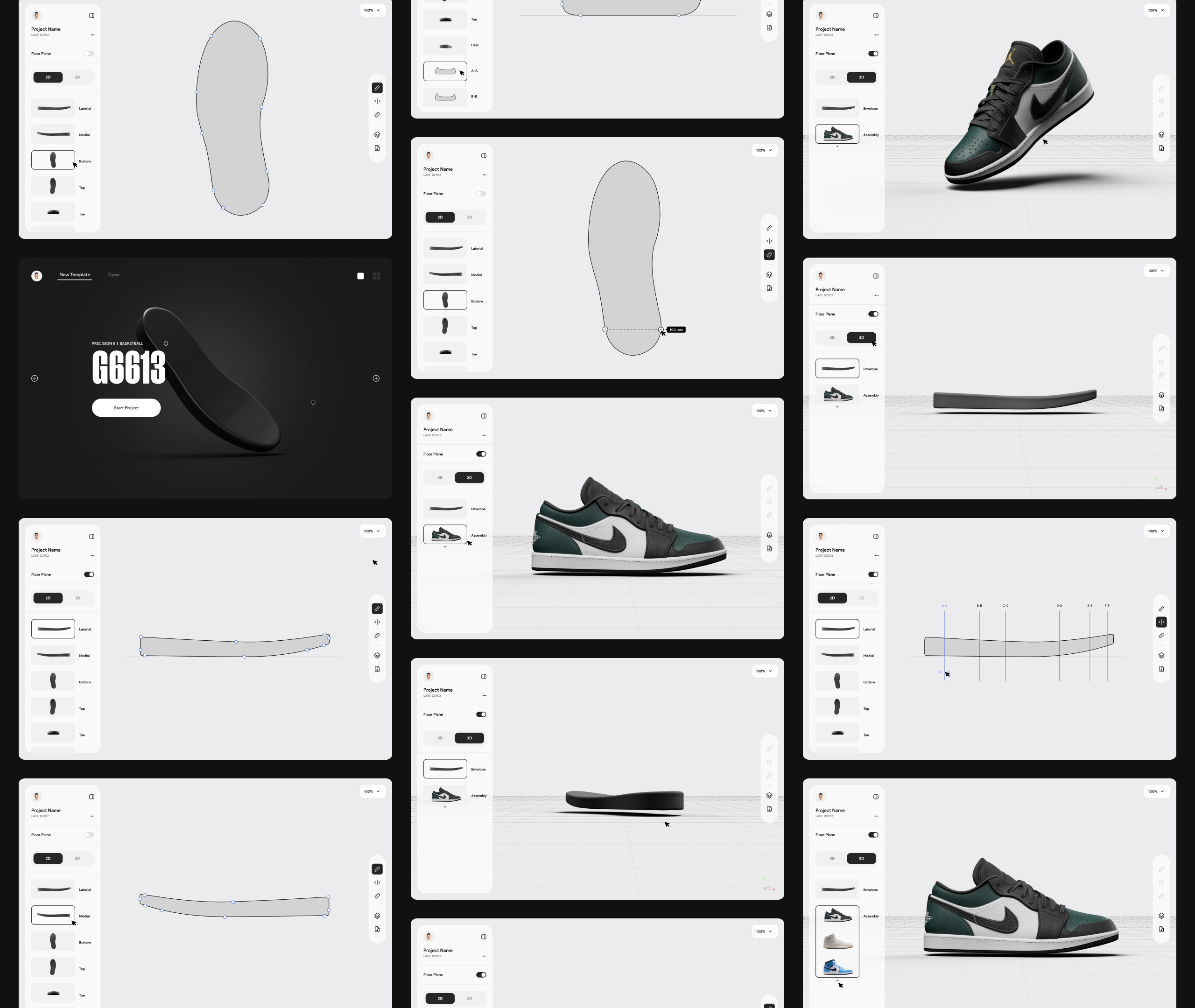
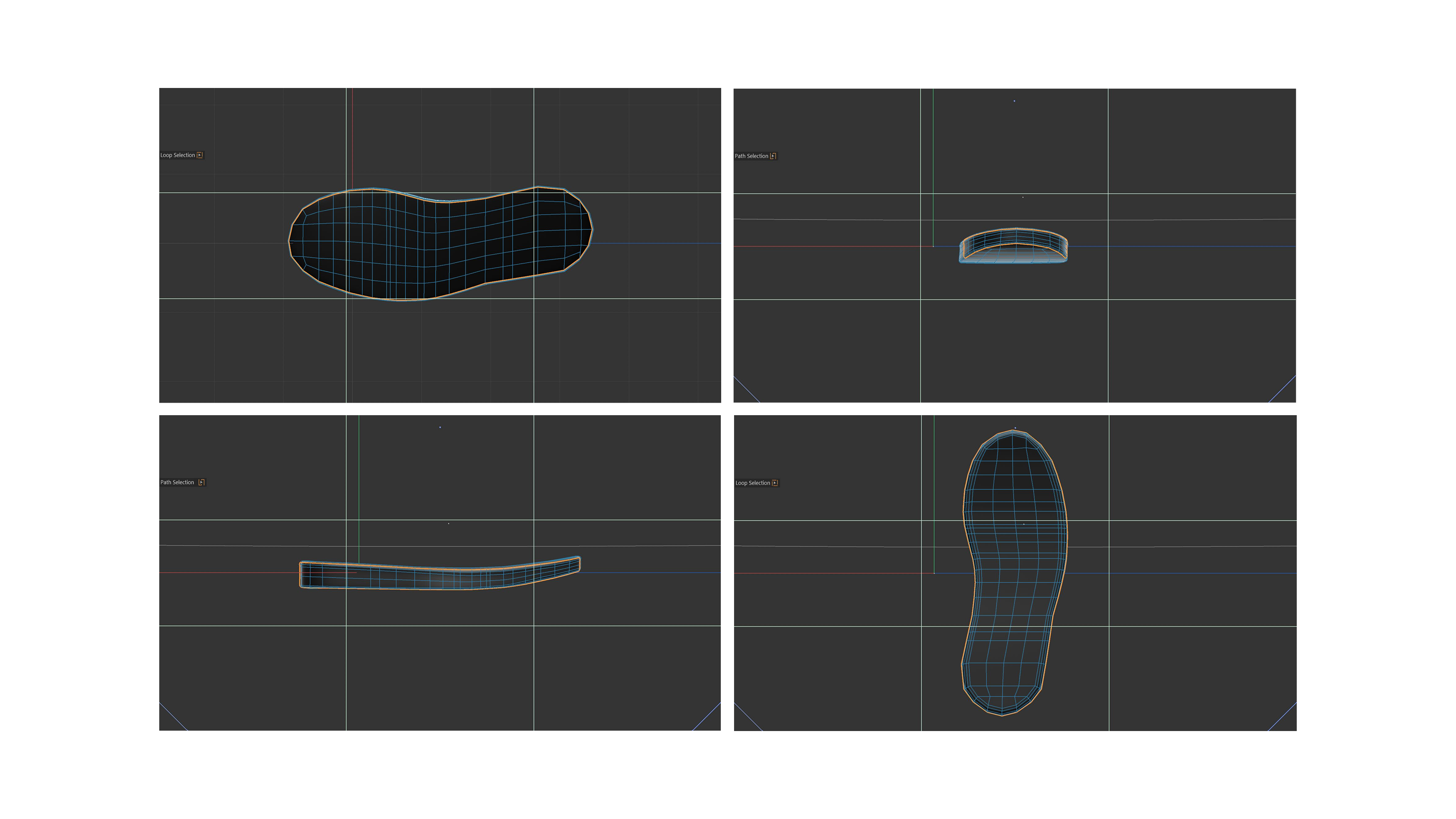
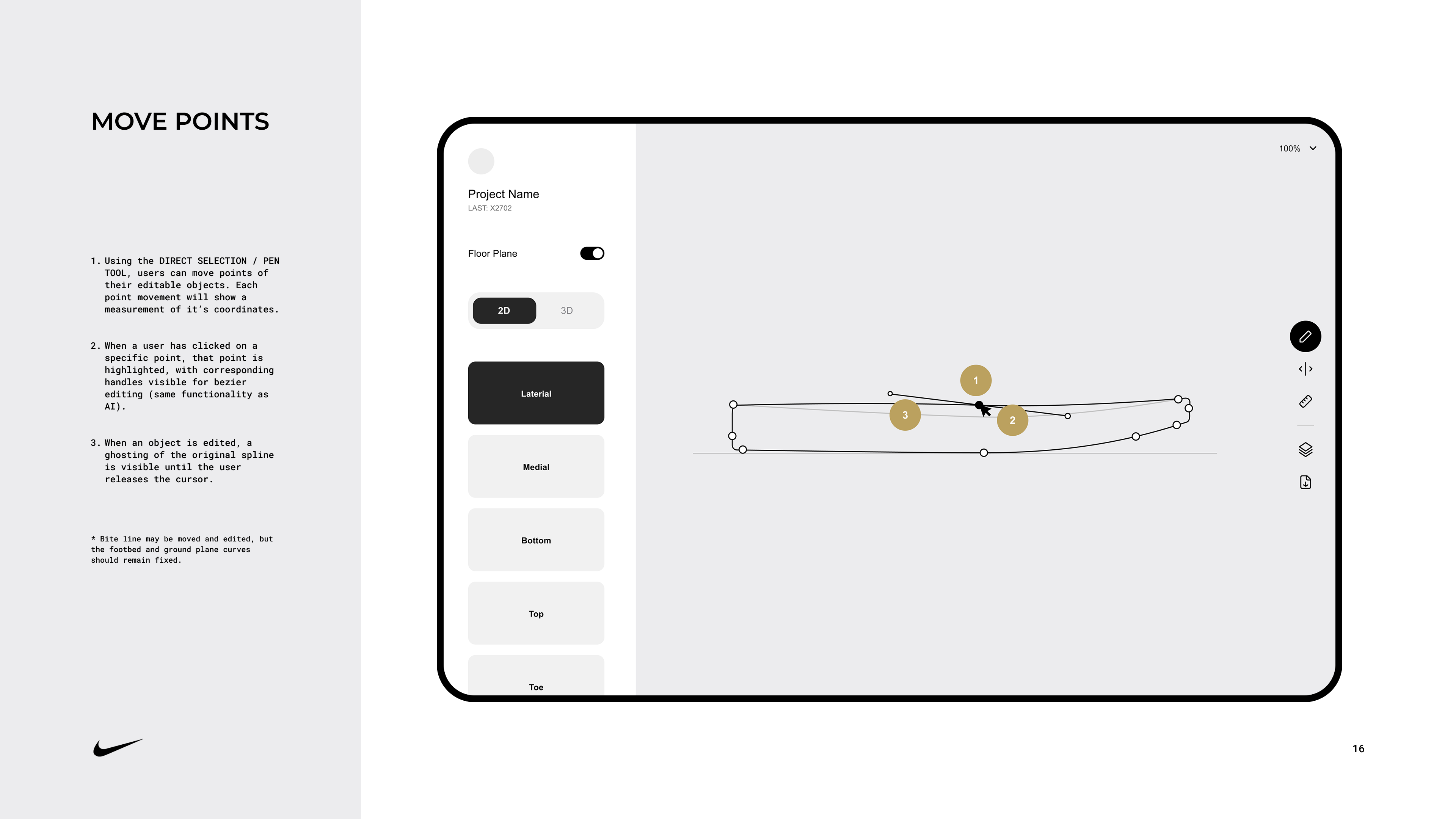
Rather than forcing designers to adopt complex, steep-learning-curve CAD software, Todo was built around standard 2D vector editing paradigms familiar to Adobe Illustrator users. By meeting designers inside their established mental model, we eliminated adoption friction while seamlessly translating flat paths into real-time 3D geometry behind the scenes.
Rather than forcing designers to adopt complex, steep-learning-curve CAD software, Todo was built around standard 2D vector editing paradigms familiar to Adobe Illustrator users. By meeting designers inside their established mental model, we eliminated adoption friction while seamlessly translating flat paths into real-time 3D geometry behind the scenes.

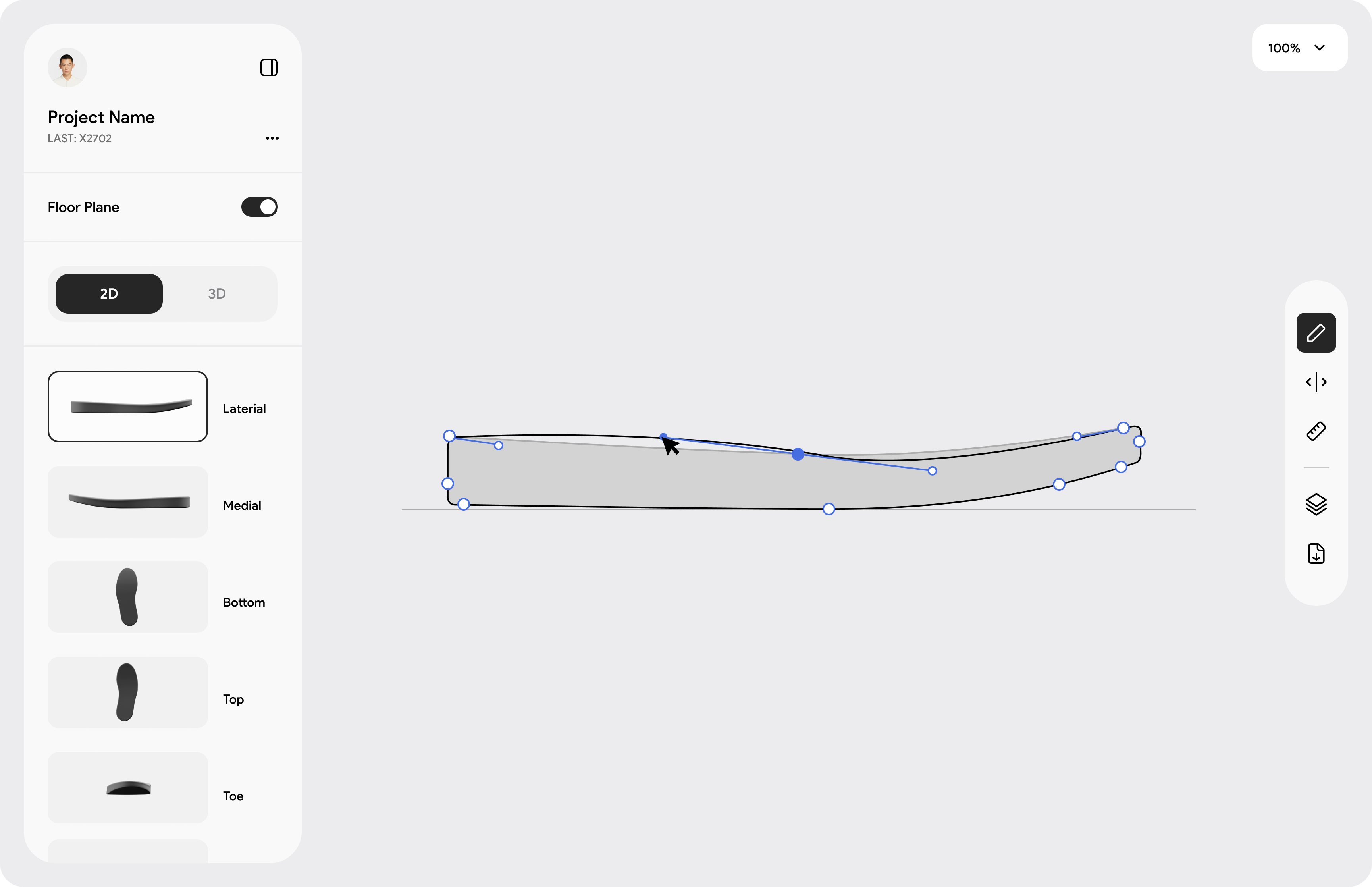
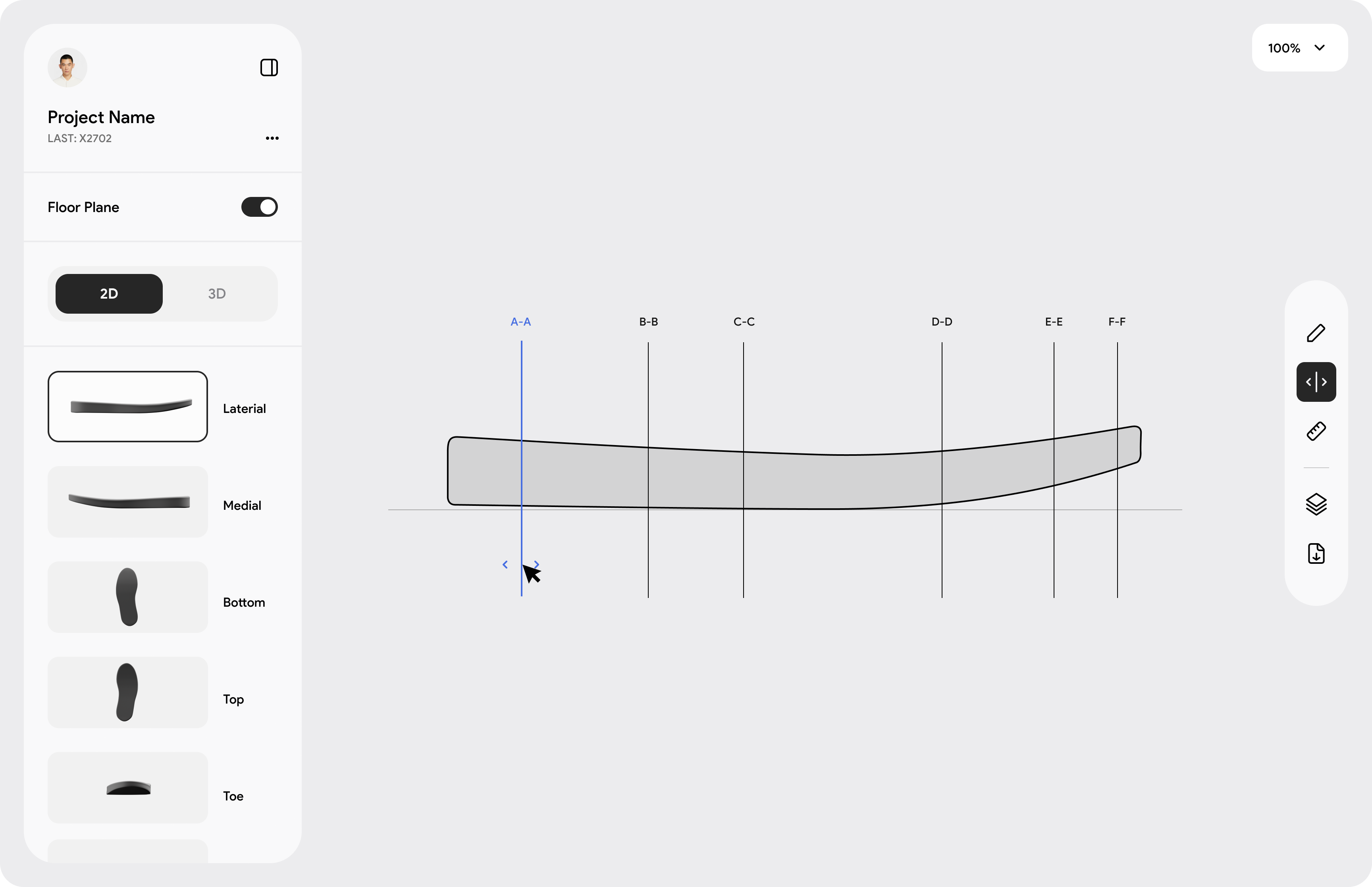
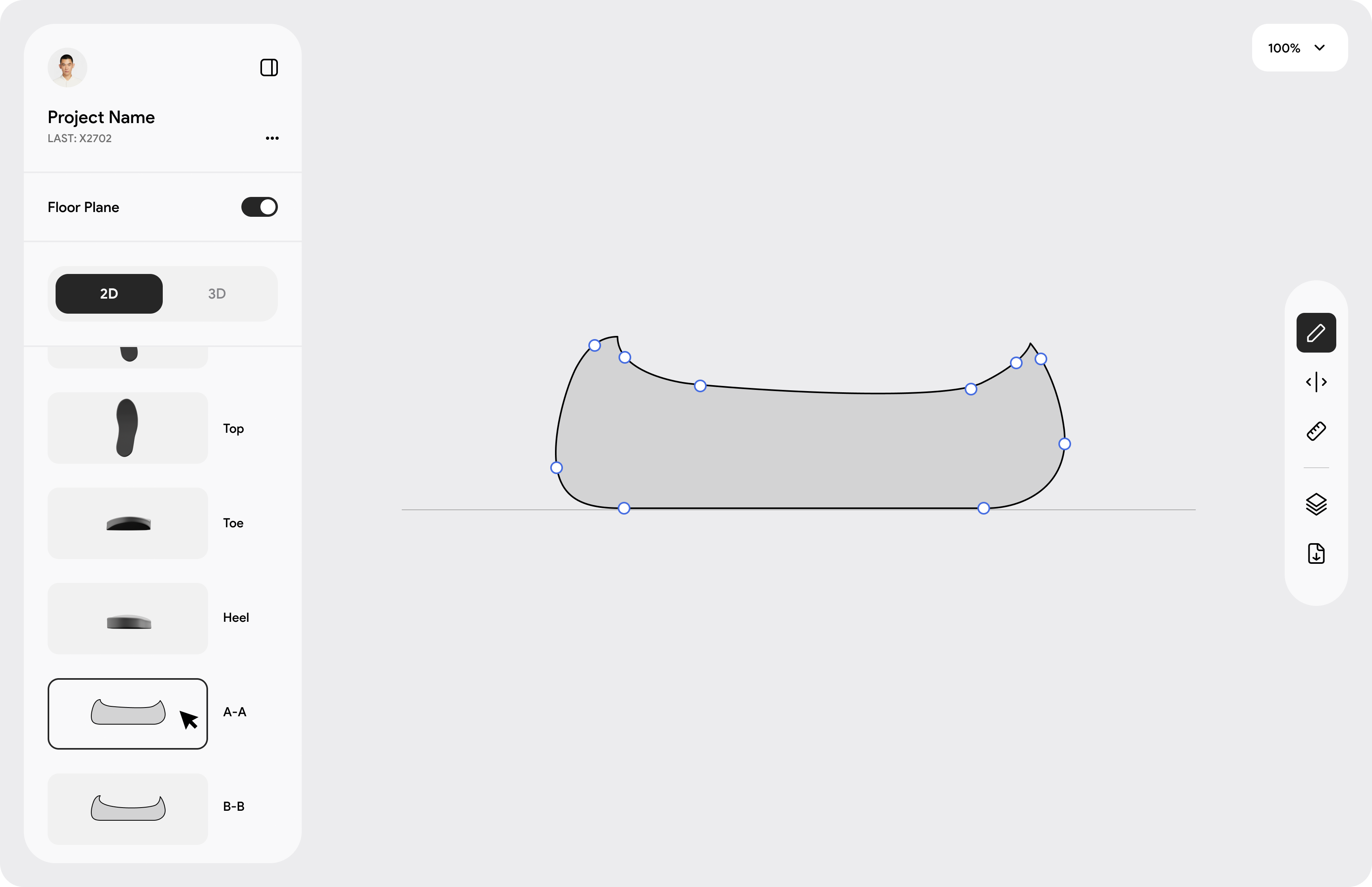
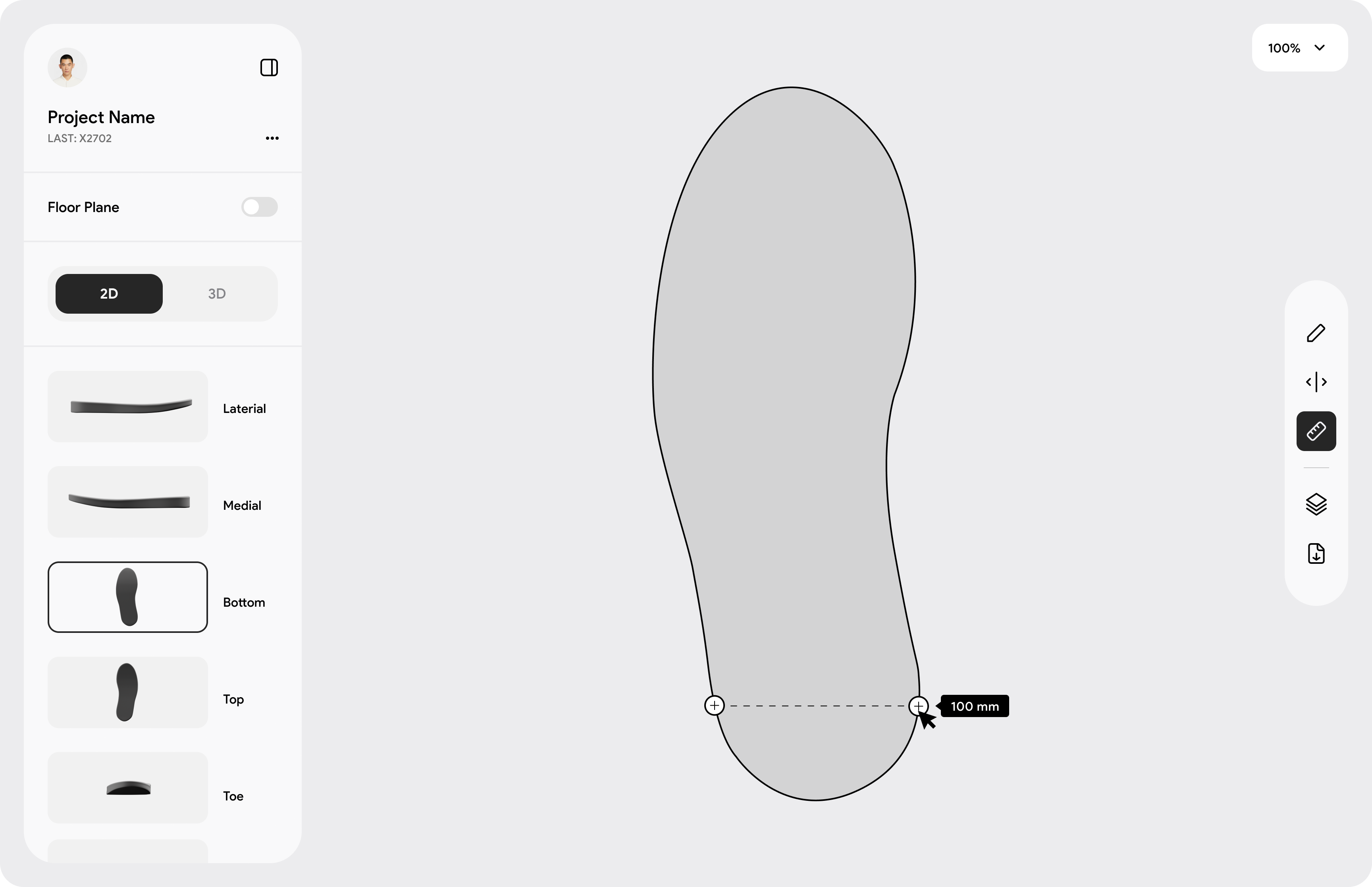
2D Canvas
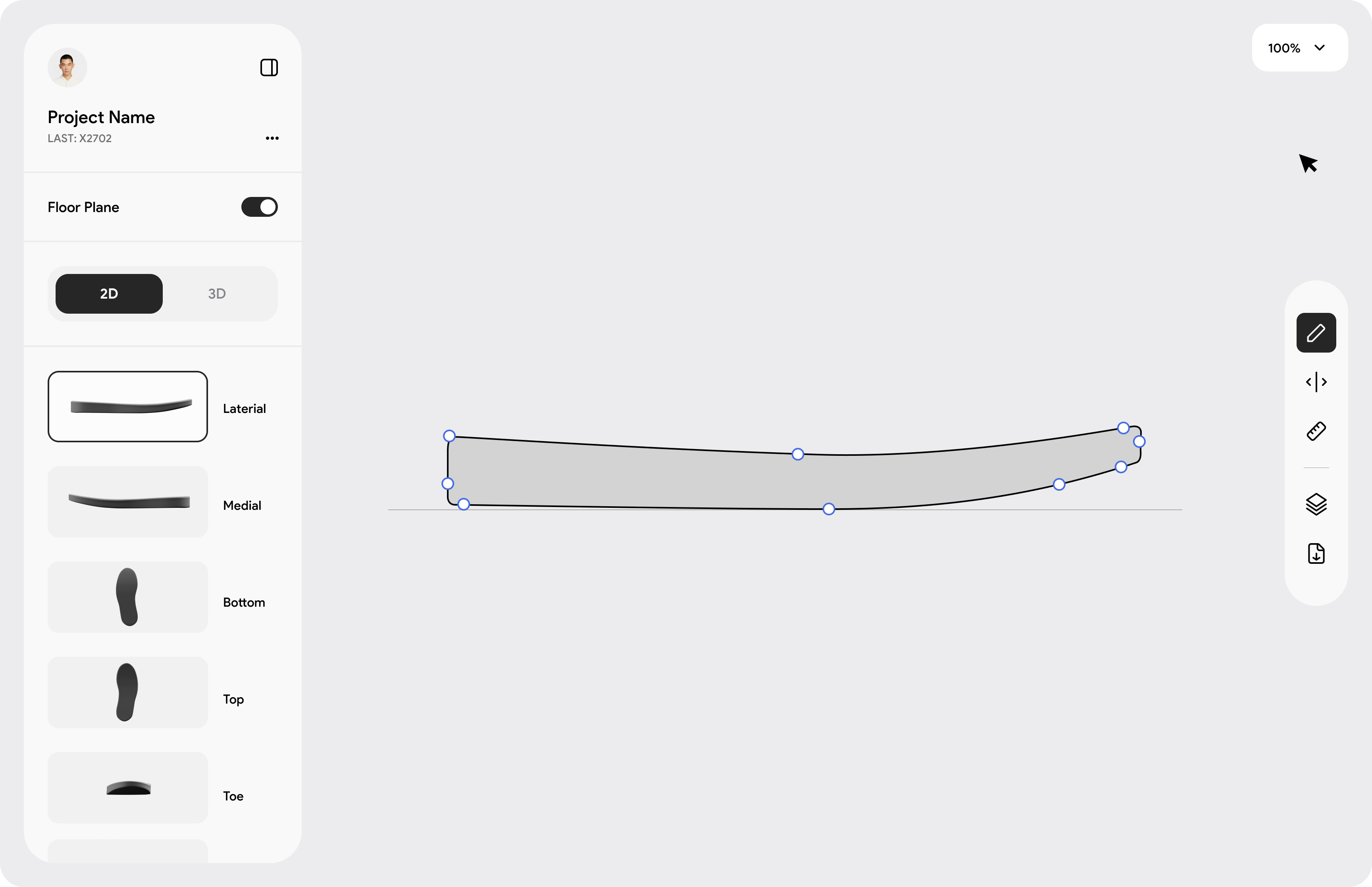
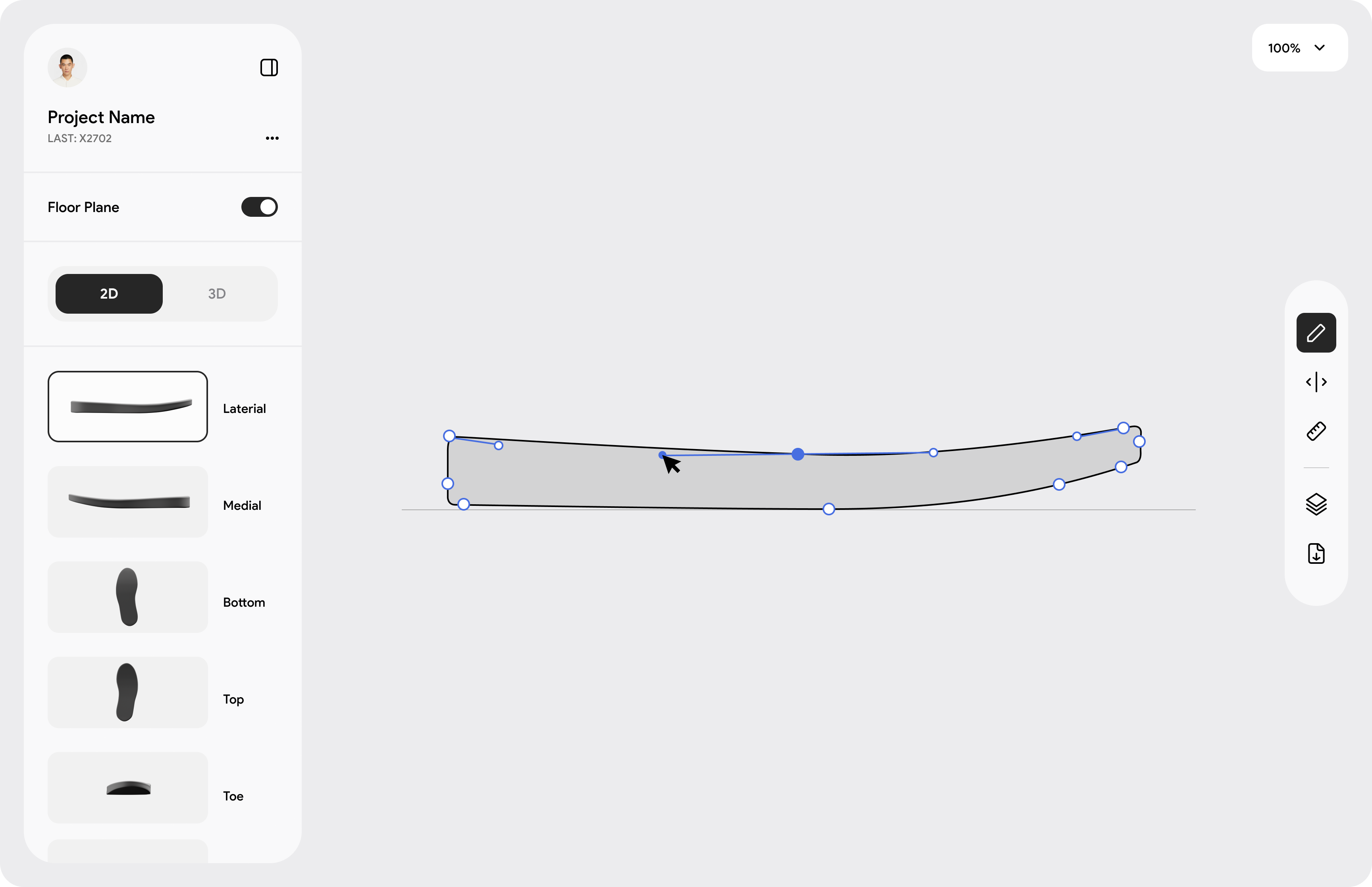
An intuitive, Illustrator-style 2D canvas where designers can manipulate paths, anchor points, and cross sections using familiar vector paradigms. This allowed the team to edit footwear profiles with precision without having to learn a complex new 3D interface.
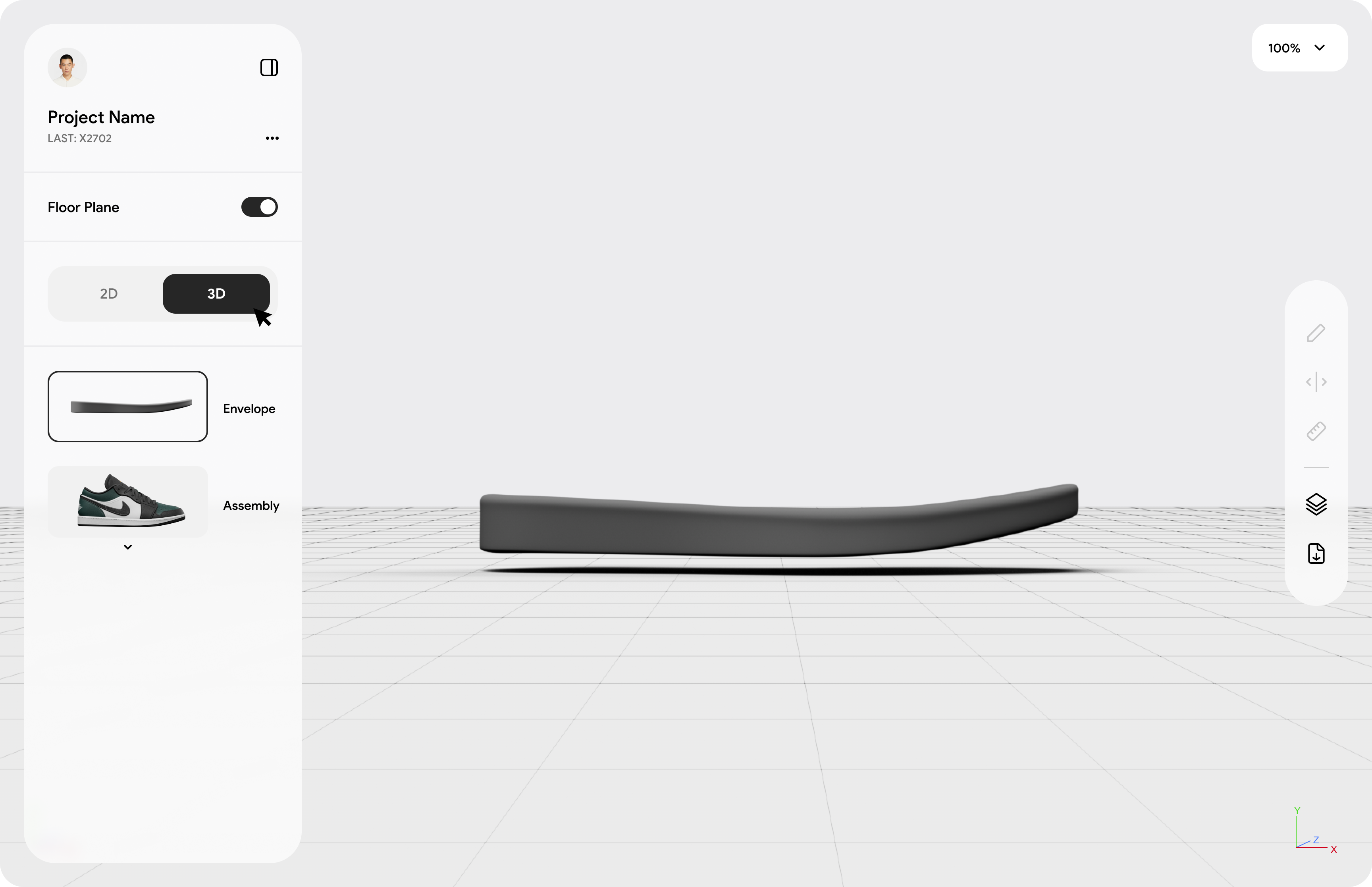
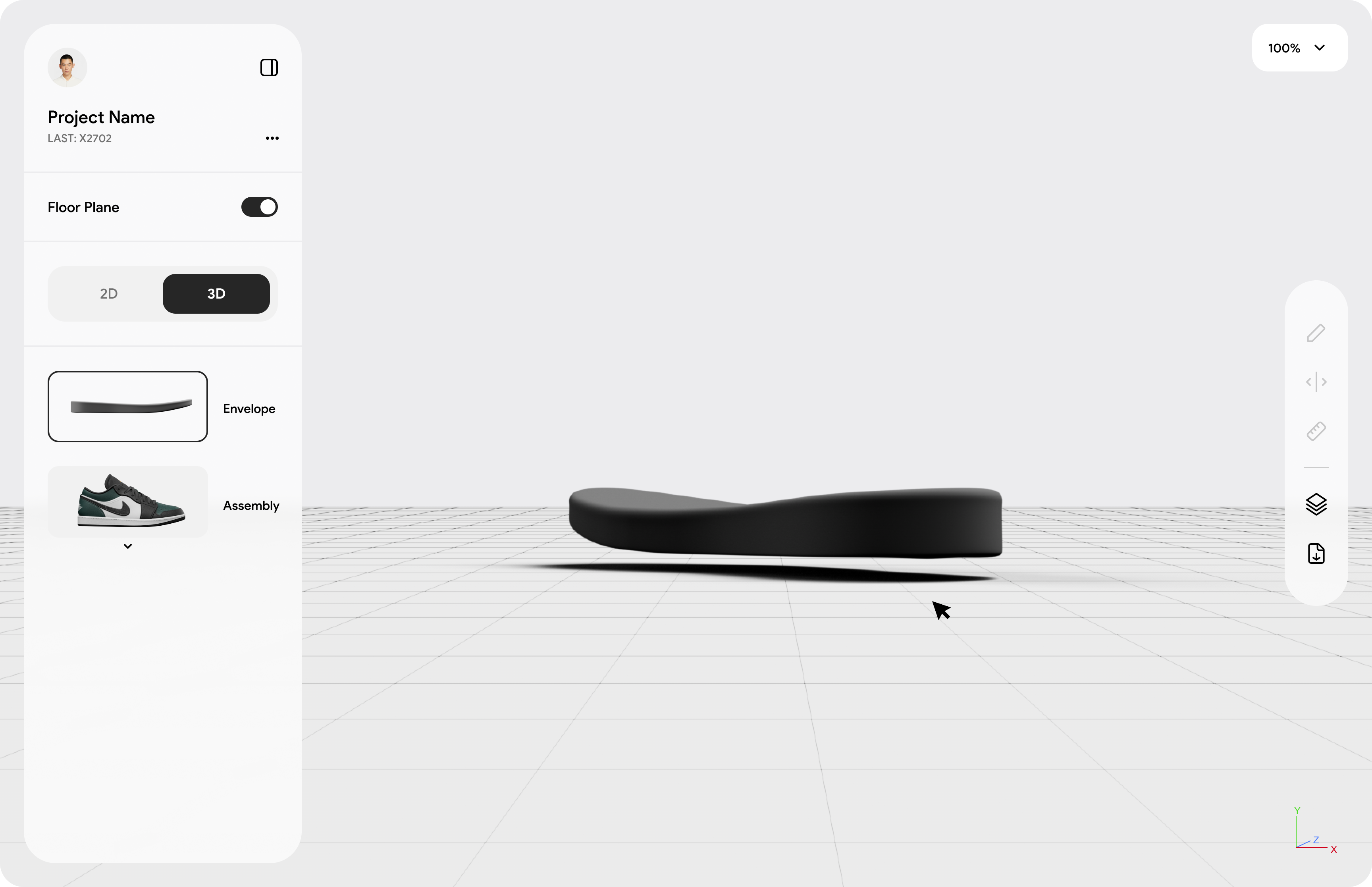
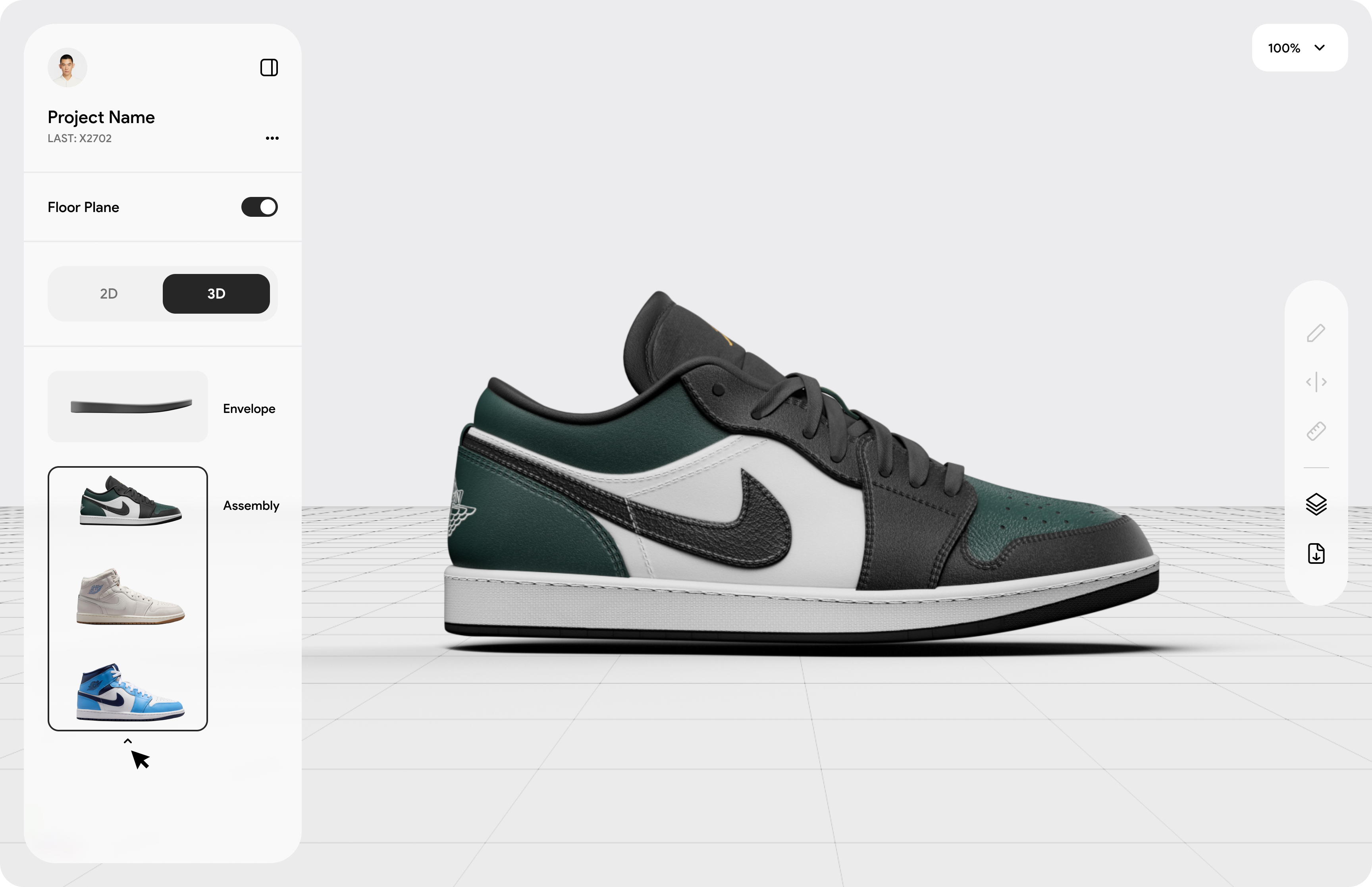
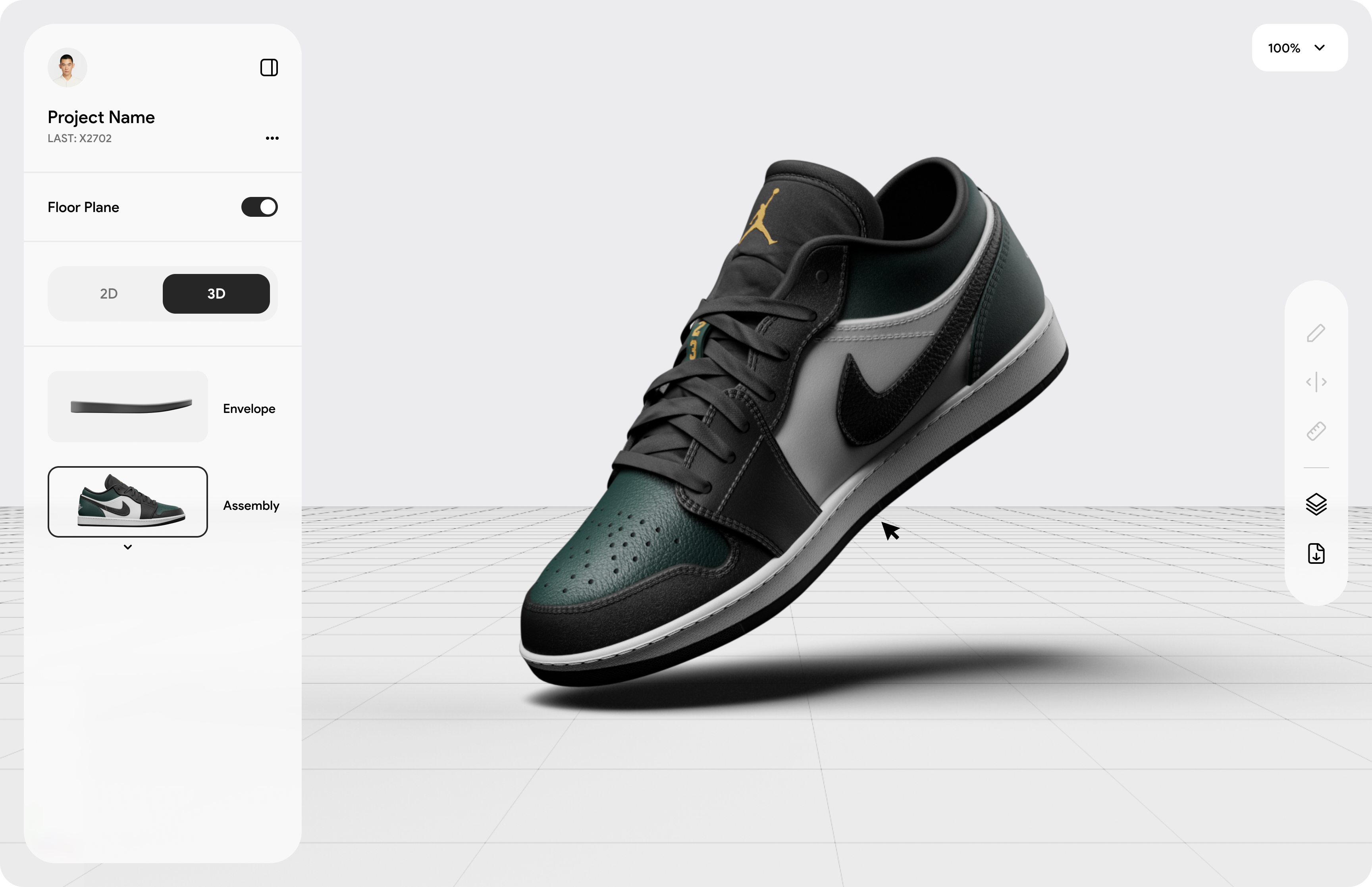
3D Visualization
A real-time rendering viewport that brings 2D sketches to life, giving designers immediate spatial and volumetric understanding of their concepts.
.gif)

%201.png)

© 2026 Nicework Studio LLC.